Table of Contents
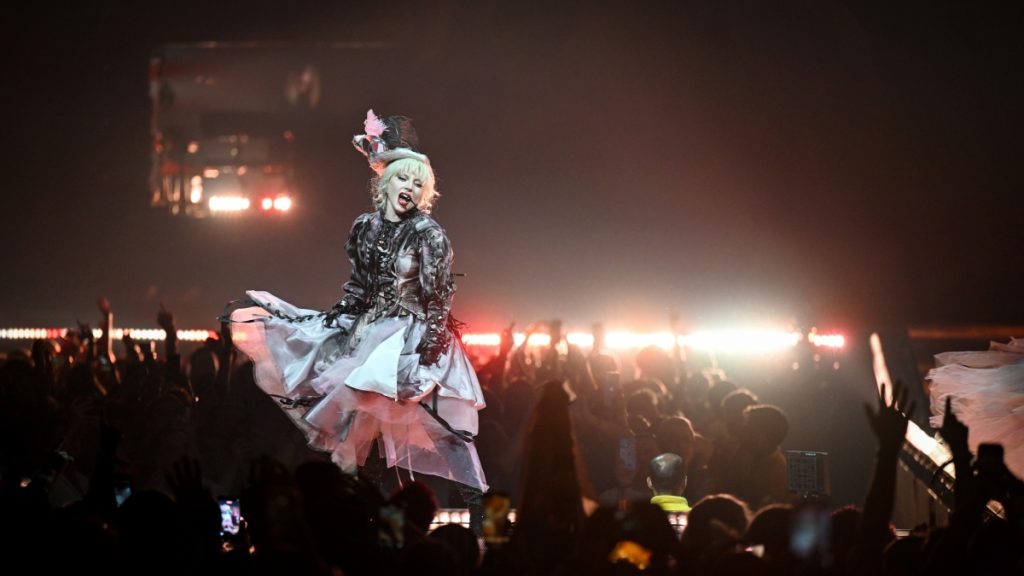
The pop star inaugurates the first of two highly anticipated Italian dates.
His audience is a condensed of eccentric looks: veils, fishnet stockings for men and women, tattoos and crowns of thorns, chains and colored hair, piercings and rings, bat wings, red roses and black roses. The dark, gothic version wins, after all black works like in fashion: it looks good on everyone. You talk to many different people but it seems like you always come across the same one,the single thoug
Artificial intelligence is rapidly transforming numerous industries,and the music world is no exception. AI-generated music, once a futuristic concept, is now a tangible reality, offering both exciting opportunities and complex challenges for artists, composers, and listeners alike.This article explores the current state of AI music, its potential impact, and what the future might hold.
AI music generation relies on machine learning algorithms, particularly deep learning models. These models are trained on vast datasets of existing music, learning patterns in melody, harmony, rhythm, and instrumentation. Several approaches are used:
Companies like Amper music (acquired by Shutterstock), Jukebox (OpenAI), and AIVA are at the forefront of this technology, offering platforms that allow users to create original music with varying degrees of control. These tools can generate music in different genres, moods, and lengths, frequently enough requiring minimal musical expertise from the user.
AI isn’t necessarily about replacing musicians; it’s about providing them with new tools. Here’s how artists can benefit:
For composers working in fields like film and video games, AI offers a cost-effective way to produce large amounts of customized music quickly. Instead of hiring a composer for every scene, they can use AI to generate tailored soundtracks.
Despite the potential benefits, AI-generated music raises several concerns:
The debate over the artistic merit of AI music is ongoing. While AI can create technically proficient music, many believe that it currently lacks the nuanced expression and emotional resonance of human artistry.
The future of AI in music is highly likely to involve a collaborative relationship between humans and machines. We can expect to see:
Ultimately, AI-generated music is not a replacement for human creativity, but rather a powerful new tool that can augment and enhance the musical landscape. As the technology evolves, it will be crucial to address the ethical and legal challenges to ensure a fair and sustainable future for all musicians.
Resources: